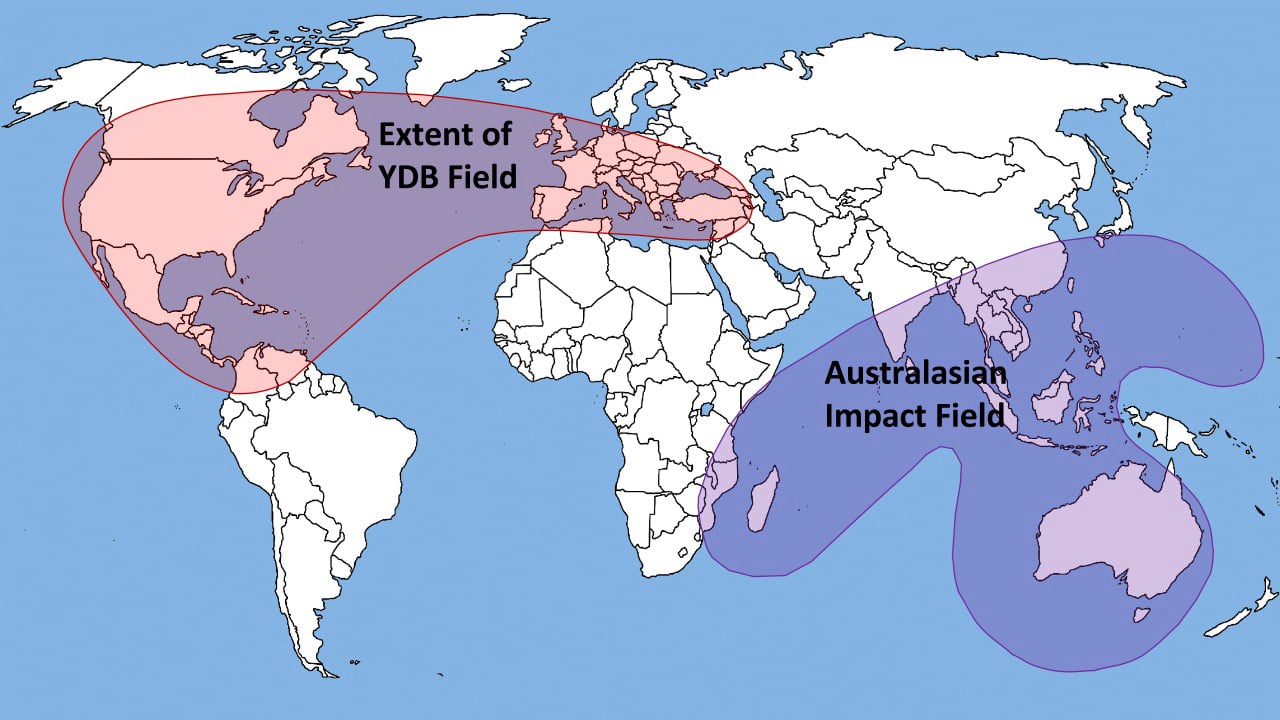
Welcome to Part 1 of our Pre-Cataclysmic Architecture journey — The Lost Architects Series. Today, we step back to a time before the flood, where ancient builders raised monuments that would whisper through the ages. Who were they? How did they build? Let’s begin...
Imagine walking across a sunlit plain where, half-buried by time, immense stones rise from the Earth like the bones of a forgotten giant. Imagine a civilization — ancient beyond memory — who carved, lifted, and placed these stones with a knowledge we have yet to fully grasp.
Who were these architects? What inspired them to build monuments so enduring that even after cataclysm, flood, and fire, they still call to us today?
Today, let's step beyond the veil of history and listen to the stone whispers of a world that once was. Learn from the experts HERE
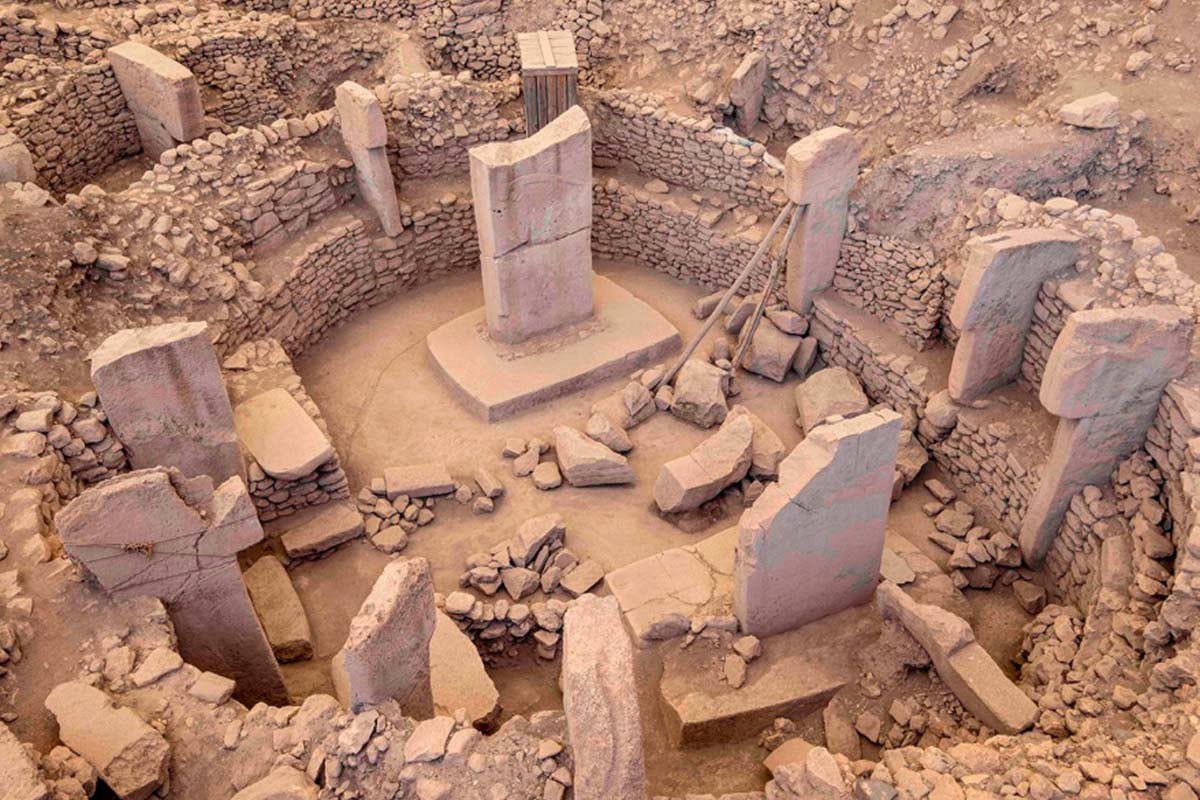
In southeastern Turkey, a farmer plowing his field in the 1990s uncovered something strange: a carved stone sticking out of the dirt. Archaeologists arrived. And what they found shocked the world.
Göbekli Tepe — dated to around 9600 BCE — is a vast complex of megalithic stone circles. T-shaped limestone pillars, some weighing 20 tons, are arranged in carefully aligned enclosures, adorned with carvings of animals, abstract symbols, and perhaps even star maps.
Here’s the catch:
Göbekli Tepe was built before the invention of agriculture.
Before the wheel.
Before writing.
According to the conventional story of human progress, this site should not exist. Yet it does. Silent. Majestic. Timeless.
Its builders knew how to quarry, transport, shape, and erect multi-ton stones.
They organized labor forces. They designed sacred geometry into their structures. They built with purpose.
And when their work was done, they buried the entire complex under thousands of tons of earth — as if to protect it for the future.
What knowledge did they inherit? Who taught them the secrets of stone?
Göbekli Tepe is just the beginning.
In recent years, new discoveries hint at even older urban planning:
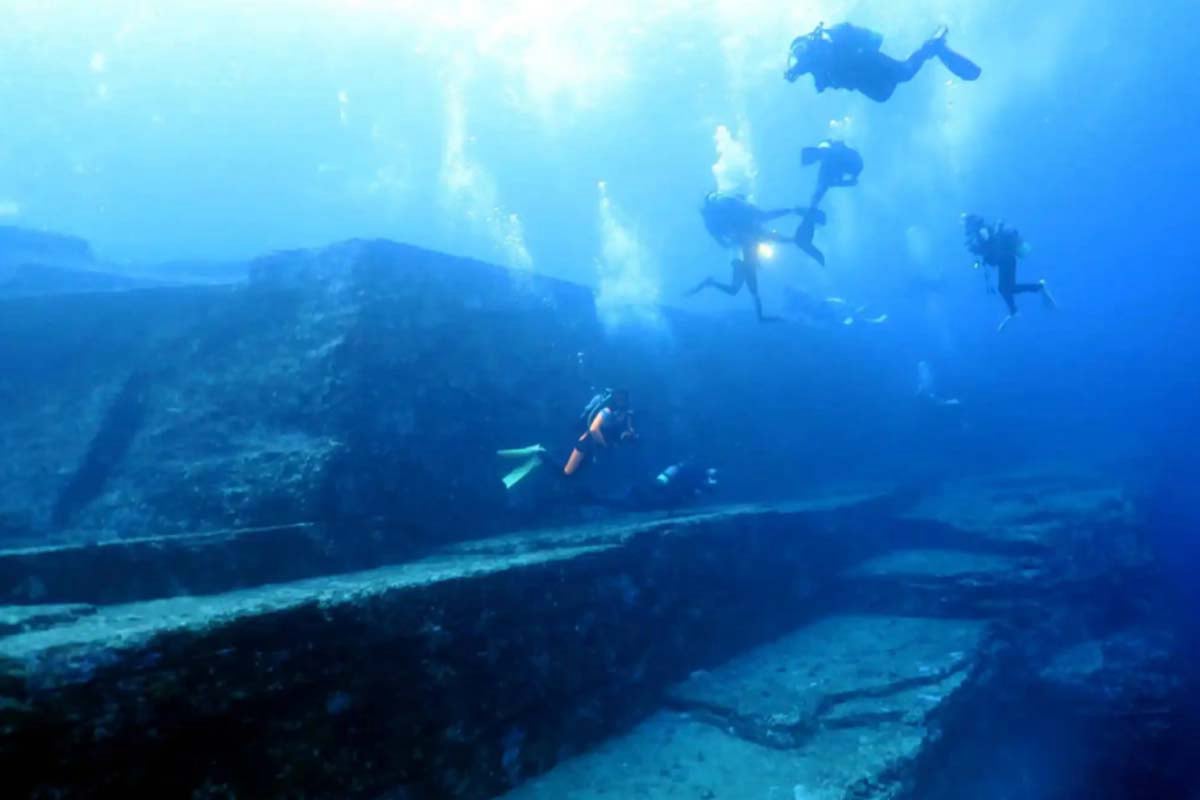
Underwater ruins off the coasts of India (Dwarka), Japan (Yonaguni), and Cuba suggest ancient cities submerged by rising seas at the end of the last Ice Age.
Megalithic structures in Spain and Portugal, like the Dolmen of Menga, reveal 150-ton stones used in construction, dating back 6,000–7,000 years.
In the Amazon, LiDAR scanning has revealed traces of ancient urban networks hidden beneath rainforest canopies.
Something extraordinary was happening on Earth — pockets of advanced knowledge rising, disappearing, and leaving only hints behind.
Always, stone endures.
A Different Kind of Beginning
Mainstream history often teaches that civilization began with agriculture:
First we farmed, then we settled, then we built cities, then we raised monuments.
But sites like Göbekli Tepe suggest something different. Perhaps it was the desire to build sacred architecture that led to civilization — not the other way around.
Imagine a group of visionaries coming together after a global cataclysm, carrying fragments of lost knowledge, seeking to rebuild what was lost.
Their first impulse: not survival — but memory.
Monuments to mark time.
Stones to remember the stars.
Sacred enclosures to reconnect Earth and Sky.
The architecture of memory.
The Mystery of Sudden Sophistication
Archaeologists often marvel at the sudden sophistication of ancient structures:
Perfect astronomical alignments.
Harmonious proportions reflecting the golden ratio, the golden number (1.618033…).
Complex symbolic carvings.
Yet there are no clear predecessors.
No gradual buildup from primitive huts to massive stone temples.
It’s as if knowledge arrived fully formed, then slowly faded.
This is one of the great mysteries of pre-cataclysmic architecture.
Where did the skills come from?
Were they the remnants of an earlier civilization, devastated by the Younger Dryas cataclysm?
Or did humanity, traumatized by disaster, experience a surge of creativity and vision?
Either way, the stones stand as testament.
The Language of Stone
One thing is clear: These ancient architects spoke through stone.
Stone endures earthquakes, floods, and time itself.
When we study these monuments today, we are not just studying history.
We are listening to a language older than writing — a language of mass, proportion, geometry, and spirit.
The stones whisper:
We were here.
We knew.
Do not forget.
And perhaps...
You are more than you have been told.
A Reflection
As you read this, imagine the world 12,000 years ago. (Or even better, learn the secrets here)
Imagine the survivors of a cataclysm gathering under strange skies.
Imagine them remembering — or reinventing — sacred knowledge.
Imagine their hands carving stone, not for shelter, but for meaning.
A way to say: We endured. We built. We remembered.
In every ancient stone we touch today, we touch that memory.
In the next part of our journey, we’ll explore the impossible architecture left behind:
Massive stones moved without machines. Structures so precise that even today, we struggle to explain them.
We’ll visit Baalbek, Sacsayhuamán, Giza, Puma Punku, and more — and see why modern engineers are still scratching their heads.
Get ready to marvel.
Until then, keep wondering, keep dreaming, and keep listening to the whispers of stone.
If you feel called to explore these mysteries even deeper, we warmly invite you to join the Atlantis & Ancient Civilizations Online Summit — where researchers, explorers, and visionaries come together to dive into the truths hidden in our distant past. You can find more details HERE.

You accept our Cookie Policy when visiting our site.
Copyright, 2000-2026 by Geophilia, LLC.