
Imagine waking up in a space that feels alive—where the air feels fresher, the light dances naturally, and the whole place just breathes with life. That’s what biophilic design is all about. It’s not just about making things look pretty with a few plants here and there. It’s about creating spaces that connect us back to nature, making us feel more grounded, creative, and healthy.
This approach to design isn’t new; it’s been around forever. Ancient civilizations knew how to work with nature, not against it. And today, as we spend more time indoors than ever before, biophilic design is making a big comeback—helping us build spaces that nurture our well-being.
You know that feeling when you step outside and instantly feel better? There’s science behind it. Back in 1984, biologist Edward O. Wilson introduced the concept of biophilia, which basically means humans have an innate connection to nature. Our ancestors spent thousands of years living in harmony with the natural world, and that connection is still hardwired into us today.
Ancient cultures totally understood this. Egyptian temples had open courtyards with flowing water to symbolize abundance. The Greeks designed public spaces filled with trees to create areas where people could gather and recharge. Eastern traditions like Vastu Shastra and Feng Shui are all about aligning spaces with natural energy flows, making sure homes and temples support harmony and health.
Modern life, though, has pulled us away from nature. Our cities are packed with concrete, and our homes are filled with artificial materials. But biophilic design is bringing us back—helping us bridge the gap between nature and the spaces we live in every day.
Studies have shown that being surrounded by nature improves mood, lowers stress, and even helps us heal faster. Research by Roger Ulrich in the 1980s found that hospital patients with a view of greenery recovered faster and needed less medication than those staring at a brick wall. That’s powerful proof of how our environment directly affects our health.
Dr. Stephen Kellert, one of the pioneers of biophilic design, expanded on this idea by breaking it down into three big categories:
1. Direct Connection to Nature – Think plants, water, and natural light in your space.
2. Indirect Connection to Nature – Using natural materials and shapes that mimic organic forms (like wood grain, soft lighting, and earthy colors).
3. The Human-Nature Relationship – Designing spaces that make us feel more connected to our environment, encouraging calmness and balance.
When these elements are combined thoughtfully, they create a sense of peace and belonging—something we all need more of.
You don’t have to build an entire forest inside your house to enjoy the benefits of biophilic design. Even small changes can make a big difference in how a space feels. Here are a few ways to bring biophilia into your home:
1. Let the Light In
Natural light is a game-changer. Open up those curtains, add skylights if possible, and arrange your space to take full advantage of daylight. It not only brightens up a space but also helps regulate your sleep and mood.
2. Add Some Greenery
Plants do more than just look good; they improve air quality and create a calming vibe. Whether it’s a vertical garden or a few potted plants on your desk, adding greenery can make your space feel more alive.
3. Use Natural Materials
Swap out synthetic materials for wood, stone, or bamboo. These materials create warmth and a sense of authenticity that synthetic materials just can’t match. Plus, they age beautifully.
4. Create Flowing Spaces
Nature doesn’t work in straight lines. Try incorporating more curves and open layouts that mimic the way nature flows. It helps create a feeling of ease and movement in your home.
5. Introduce Water Elements
The sound of water has a naturally soothing effect. Adding a small indoor fountain or an aquarium can create a sense of tranquility and connection to the natural world.
Many architects and designers are now embracing biophilic principles in their work. Some inspiring examples include:
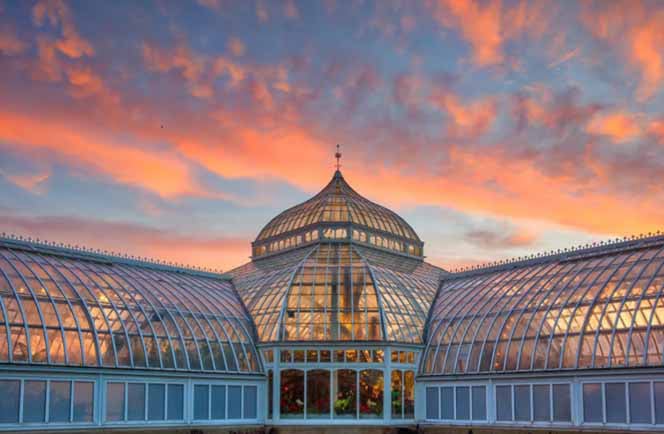
1. Phipps Conservatory, Pittsburgh, USA
This building is packed with sustainable features, from natural ventilation to lush indoor gardens. It’s a perfect example of how biophilic design can create a space that’s both functional and beautiful.
2. Jewel Changi Airport, Singapore
With the world’s tallest indoor waterfall and a lush forest, this airport isn’t just a transit hub—it’s a calming, immersive experience that blends technology with nature.
3. Apple Park, Cupertino, USA
Apple’s headquarters is surrounded by green spaces, open workspaces, and natural materials, creating an environment that fosters creativity and well-being.
4. Vertical Forest, Milan, Italy
Architect Stefano Boeri designed this pair of residential towers covered in thousands of trees and plants, reducing pollution while giving residents a direct connection to nature.


As cities get denser and life gets busier, the need for spaces that help us reconnect with nature is more important than ever. Biophilic design is no longer just a luxury; it’s becoming essential for our mental and physical health.
• Smart Biophilic Cities – Urban planners are incorporating green infrastructure to combat pollution and improve quality of life.
• Regenerative Architecture – Buildings are being designed to give back to the environment, rather than just minimizing harm.
• AI Meets Nature – Smart systems are being used to optimize natural light, airflow, and even plant care in homes and offices.
Biophilic design is all about creating a space that nurtures you—physically, emotionally, and spiritually. Whether it’s bringing in more natural elements, optimizing your home’s layout, or just adding a few plants to brighten up your space, every little step counts.
As Frank Lloyd Wright said, “Study nature, love nature, stay close to nature. It will never fail you.”
If you're ready to transform your home into a healing sanctuary, Geophilia is here to help. We specialize in creating spaces that align with biophilic design principles, blending nature, sustainability, and human well-being.
Contact us today to explore how we can help you bring more life into your living spaces.

You accept our Cookie Policy when visiting our site.
Copyright, 2000-2026 by Geophilia, LLC.