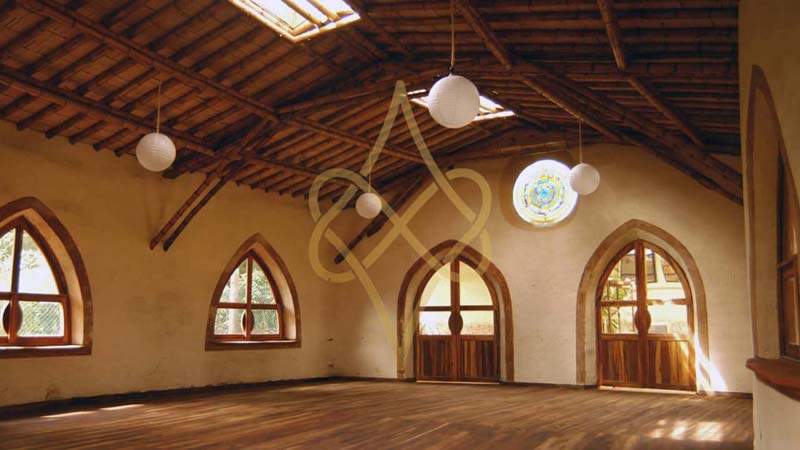
Bioss Lilah Montessori, Geophilia Design System ©
Harmonizing with Nature: exploring the beauty and benefits of nature design in architecture
January 3, 2024
Bioss Lilah Montessori, Geophilia Design System ©
January 3, 2024
Within the bustling world of architecture, a worldview move has emerged—one that celebrates concordance with the environment through nature-inspired plan. This inventive approach grasps the standards of supportability, biomimicry, and a profound regard for our characteristic environment. At the cutting edge of this development lies nature engineering, a captivating combination of natural shapes, biological affectability, and human-centric plan.
Nature design draws motivation from the complicated designs, efficiency, and strength found within the common world. Imitating the natural shapes of takes off, shells, and trees, modelers and architects weave these components into their manifestations, making spaces that not as it were mix consistently into their environment but too advantage from nature's inalienable intelligence.
From buildings that mirror the self-cooling components of termite hills to exteriors propelled by the fractal geometry of takes off that optimize vitality effectiveness, nature-inspired engineering isn't only around aesthetics—it's a diagram for feasible, regenerative plan.
Central to nature engineering is the concept of biophilic design, which looks for to cultivate a profound association between people and nature inside the built environment. Consolidating components such as normal light, greenery, and normal materials into architectural spaces improves well-being, efficiency, and a sense of tranquility.
Spaces designed with biophilia serve as homes where inhabitants feel associated to nature—a imperative cure to the push of urban living. Housetop gardens, insides living dividers, and plentiful sunshine spilling through deliberately put windows embody the integration of nature into engineering systems, enhancing our human nature.
At its center, nature engineering encapsulates sustainability standards. The use of renewable materials, energy-efficient frameworks, and inactive plan procedures adjust with the ethos of minimizing natural affect whereas maximizing asset productivity.
Inventive innovations, such as photovoltaic boards coordinate consistently into building exteriors or water gathering frameworks that imitate characteristic hydrological cycles, embody how nature-inspired engineering tackles the control of development to make economical, regenerative spaces.
The pertinence of nature engineering in forming long-standing time of our cities and territories cannot be exaggerated. As we explore the challenges of climate alter and look for to relieve our environmental impression, nature-inspired plan rises as a reference point of trust and plausibility.
In Bioss Lilah Montessori School, Geophilia Design System was applied to generate a magnificent space for children to grow up in a construction fully made with natural materials. Almost no industrialized materials were used, its foundation was made of stone and limestone, the whole structure was made with local treated bamboo and its walls were made with strawbales plastered with earth and natural paint. Want to have a look? check it here.
Envision urban scenes decorated with green rooftops, vertical gardens, and buildings planned to coexist harmoniously with their environments. From maintainable private complexes to imaginative open spaces, the integration of nature-inspired design cultivates a more flexible, more beneficial, and tastefully satisfying environment.
As a forward-thinking bioarchitecture firm, in Geophilia we remain committed to the ethos of nature-inspired plan. Our commitment to feasible advancement and biophilic standards adjusts consistently with the center precepts of nature design.
We imagine spaces that not as it were fascinate with their aesthetic charm but moreover stand as confirmations to mindful design—a concordant mix of human inventiveness and nature's intelligence.
Nature engineering speaks to a transformative move in how we conceive and build our built environment. It's a celebration of the complicated magnificence of nature, an encapsulation of supportability, and a testament to the flexibility and versatility of building plan.

You accept our Cookie Policy when visiting our site.
Copyright, 2000-2026 by Geophilia, LLC.