GEOPHILIA INSTITUTE

Holistic & Interdisciplinary Research

Geophilia in Film, Research & Sacred Architecture

DOCUMENTARY APPEARENCES

Geophilia’s work bridges science, consciousness, sacred architecture, and ancient wisdom traditions. Through documentary collaborations, our research bring a unique lens to some of the world’s most important ancient sites — combining field investigation, geometry, materials analysis, archaeoacoustics, symbolism, and the hidden electrical and energetic properties of architecture.

These film projects highlight Geophilia’s contribution to a deeper understanding of temples, ancient design, and the intelligence embedded in sacred spaces.

The Missing Key

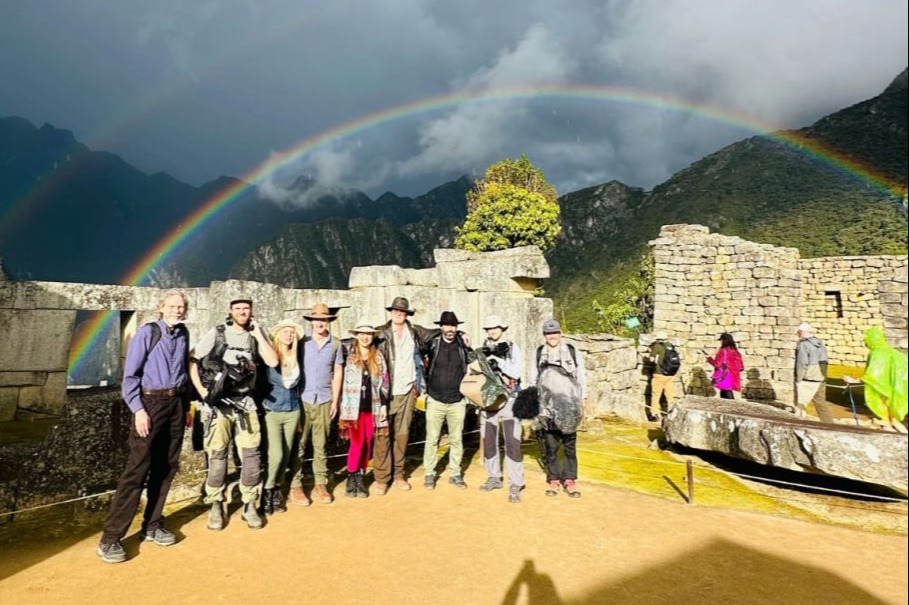
Matthew LaCroix is a researcher, author, and filmmaker focused on ancient civilizations, lost history, megalithic sites, and the recurring symbols and architectural patterns that appear across the ancient world. The Missing Key Documentary follows this investigation across locations including Peru, Bolivia, Türkiye, Egypt, and Cambodia, exploring whether distant cultures may have shared a deeper blueprint of geometry, symbolism, temple design, and sacred knowledge.
The film brings together an interdisciplinary group of participants — including researchers, geologists, historians, explorers, and specialists in sacred architecture — such as Dr. Robert Schoch, Mohamed Ibrahim, Ömer Tanyürek, Jennifer Deyo, Hans Oreheim, Robert Edward Grant, Dr. Lydia & Arturo de León and  Paul Wallis. Together, the documentary examines ancient sites, stonework, iconography, alignments, and design principles in order to ask whether an important chapter of human history has been forgotten, and whether the world’s oldest sacred structures still preserve evidence of a more advanced understanding of architecture, nature, and consciousness.
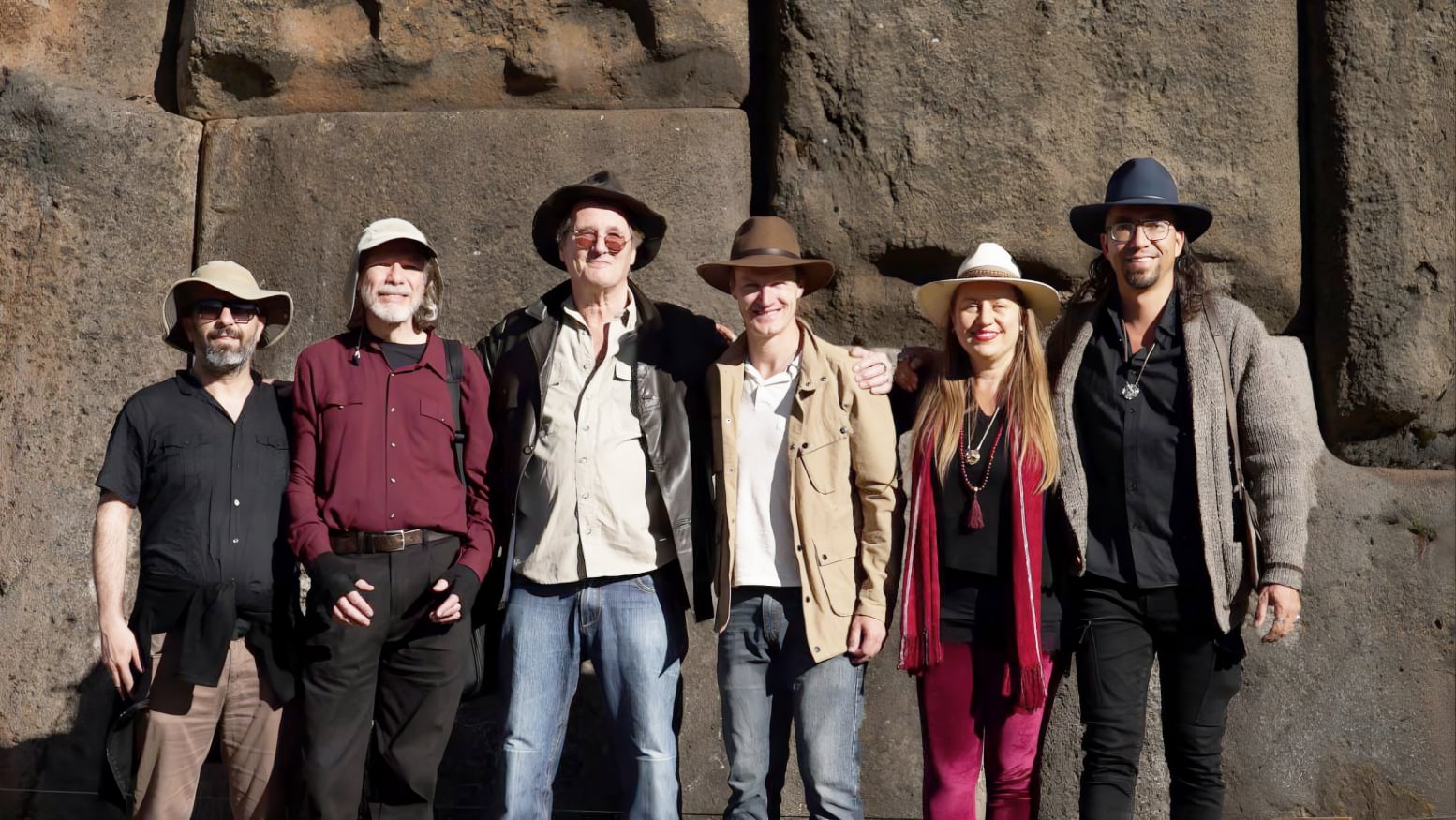
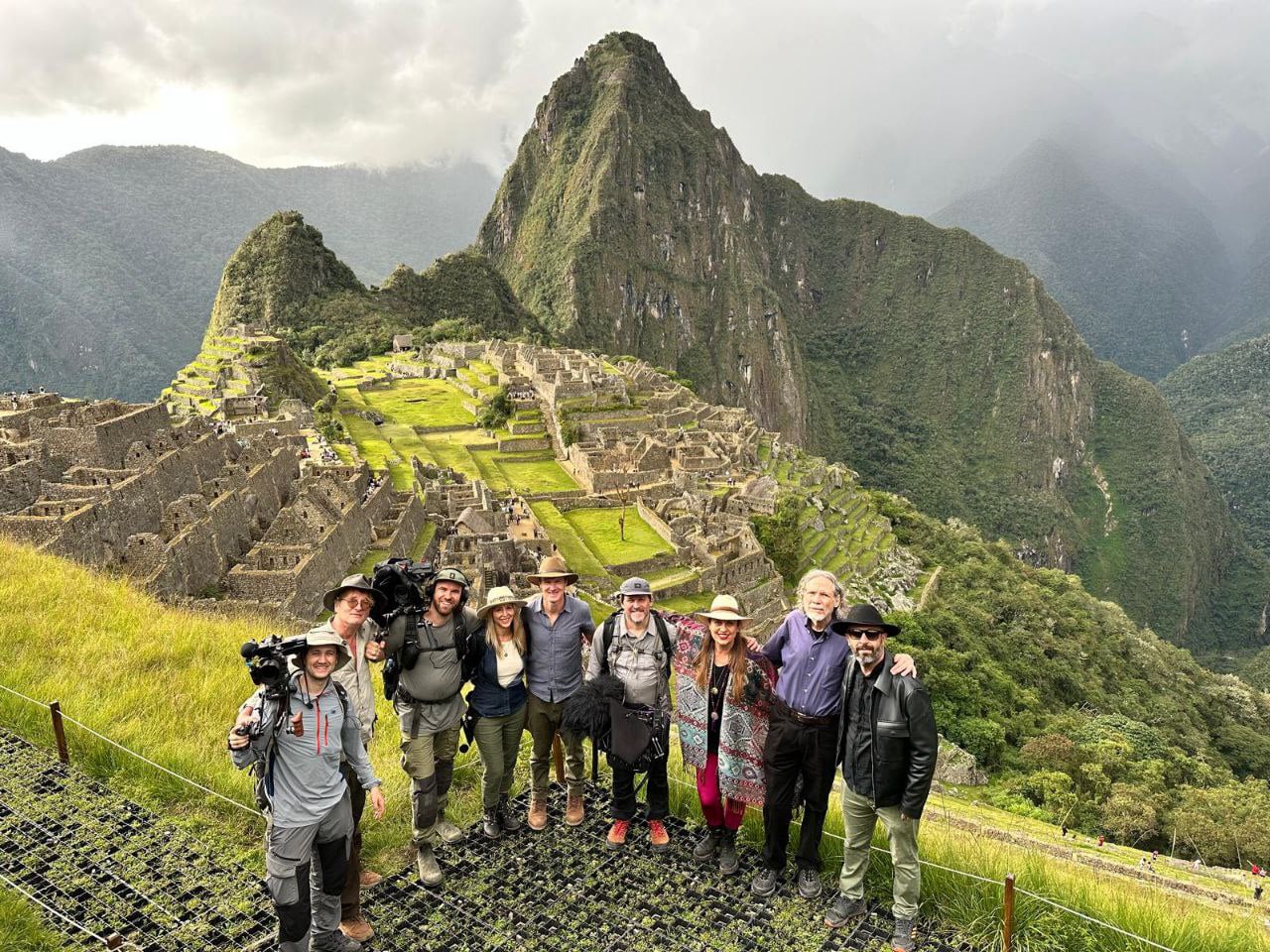
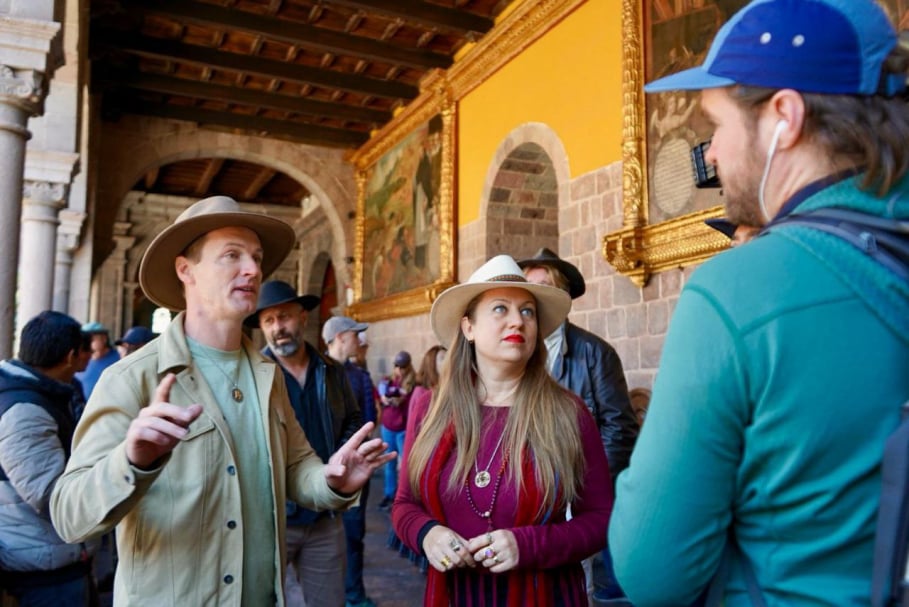
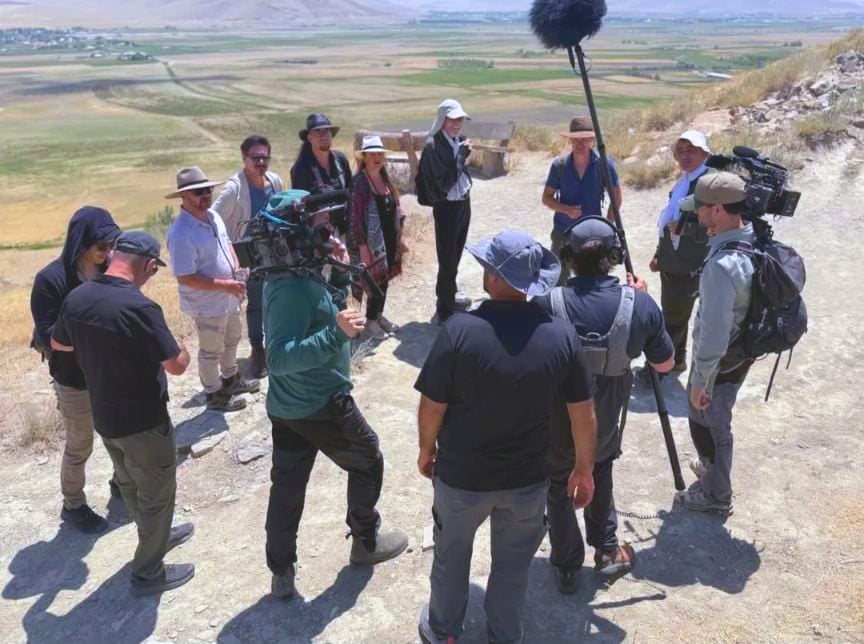
Through on-site investigation and interdisciplinary analysis, Dr. Lydia and Arturo Ponce de León examine Ancient Temples through the lenses of geometry, alignments, design logic, materials, and energetic function.

Geophilia’s work in the film includes:

• carrying out measurements in ancient temples and sacred sites
• decoding geometric relationships embedded in architectural design
• studying alignments and spatial orientation
• analyzing the materials used in construction and their possible functions
• exploring how temple design may have worked in relation to natural forces, resonance, and consciousness


Dr. Lydia de León’s research brings a highly specialized analytical framework informed by her doctoral work, helping reveal how ancient structures  have been intentionally designed according to science that modern culture has largely forgotten, decoding the true nature of ancient temples and function capable of affecting human perception, physiology, and states of awareness.

Arturo Ponce de León brings over 20 years of expertise in sacred geometry and the electrical properties of architecture, offering insight into how temples may have been built not only as symbolic or ceremonial spaces, but as advanced technology serving particular purposes

Together, their contribution in The Missing Key Documentary helps illuminate a powerful possibility: that ancient architecture was never merely decorative or functional, but part of a deeper science of energy, harmony, and consciousness.


Why this matters
Many ancient sites are still studied through fragmented disciplines — archaeology, engineering, history, or religion — without integrating how geometry, materiality, orientation, and subtle environmental effects work together. Geophilia’s approach reconnects these fields.

In The Missing Key Documentary, this integrated perspective helps open a new conversation about what temples were really for, how they were designed, and what knowledge may have been encoded into their forms.

Arriving approximately by end of 2026. Stay tuned!
The Primordial Code

Primordial Code III is the third chapter in Marijn Poels’ Primordial Code trilogy, following The Primordial Code and The Primordial Code II: The Burning Essence, a series that moves from questions about the origins of humanity into the search for humanity’s inner essence, primal principles, and the forces that shape perception, consciousness, and our relationship with nature.
Across the trilogy, Poels presents an independent, fan-funded documentary journey that brings together researchers, thinkers, and site-based investigations to explore ancient knowledge, forgotten instincts, symbolic systems, and the deeper patterns he sees operating beneath modern narratives.
In Primordial Code III, that search continues through an investigation into what Poels describes as a profound primordial code that has been captured, altered, or obscured by systems of intelligence and power. Marijn Poels’ broader mission as a filmmaker is to create independent films that challenge conventional assumptions, activate reflection rather than prescribe conclusions, and remain freely accessible to audiences, while pursuing questions about humanity, nature, freedom, and the hidden structures that influence the world we inhabit.

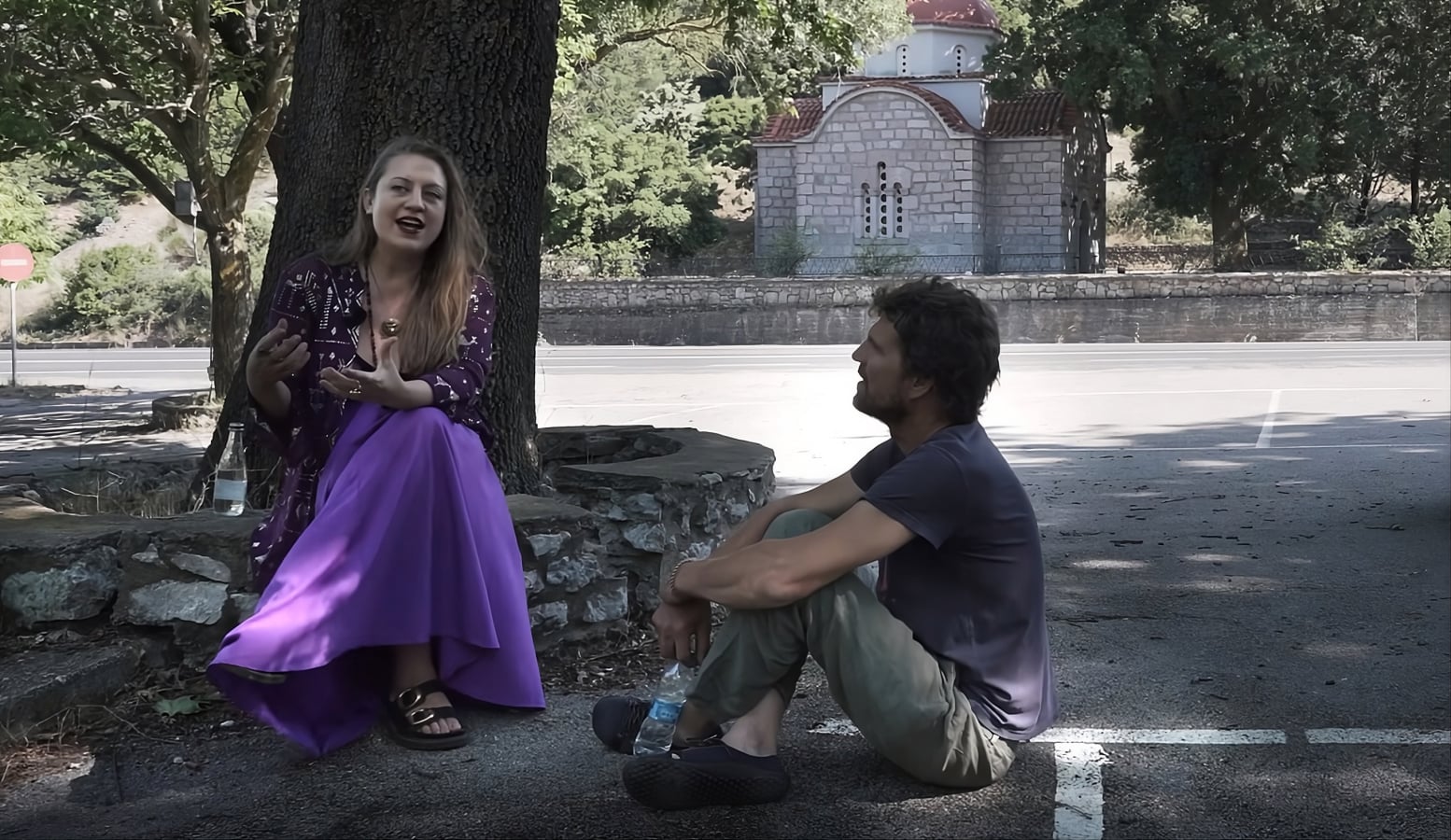
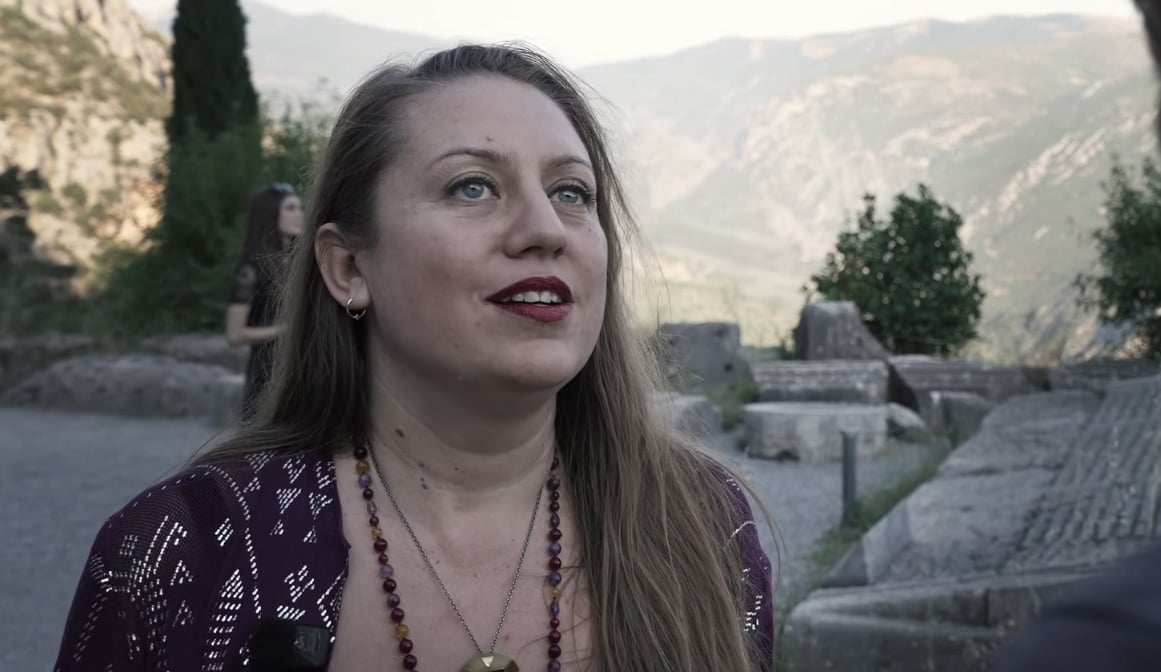
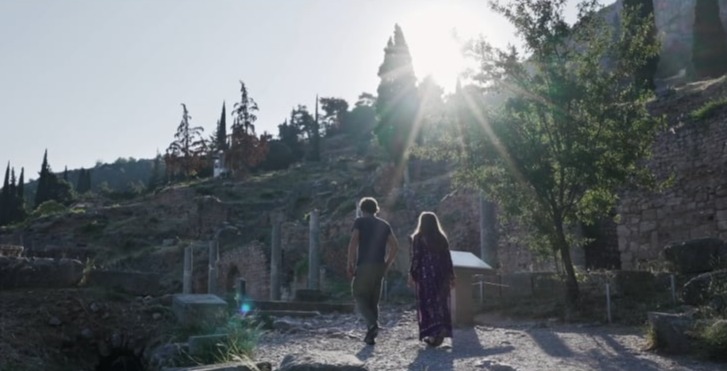
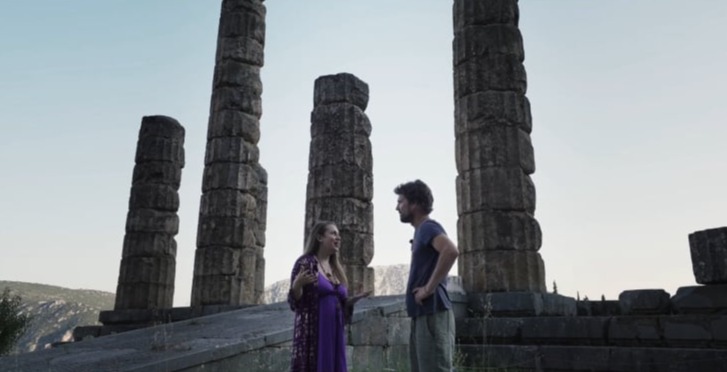
Within the film, Dr. Lydia de León investigates and decodes the location, design, materials, and special properties of the Delphi temple complex, revealing why this place has been regarded for centuries as uniquely powerful.

Her research explores questions such as:
• Why was this exact location chosen?
• What is the significance of the temple’s design and layout?
• How do material choices affect the behavior of the structure?
• What makes this temple complex so powerful in human experience?


By looking closely at the relationship between location, architecture, materials, and subtle properties of place, Dr. Lydia shows that Delphi may be understood not only as a historical ruin, but as a living example of ancient knowledge applied with remarkable precision.


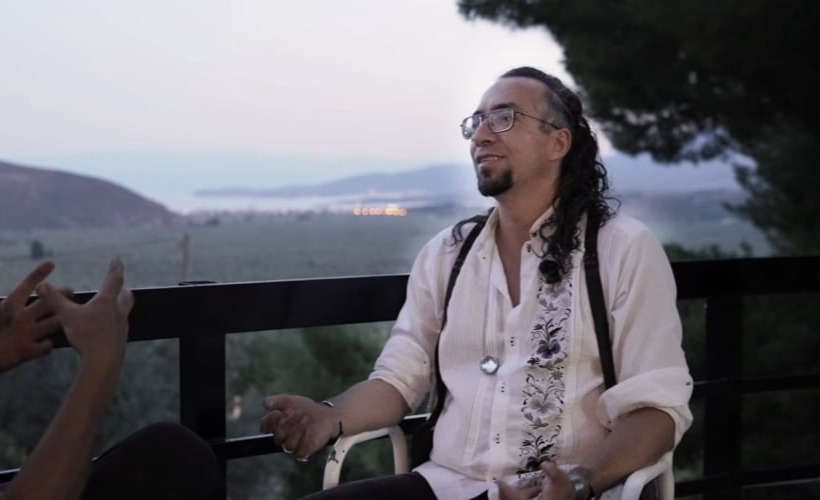
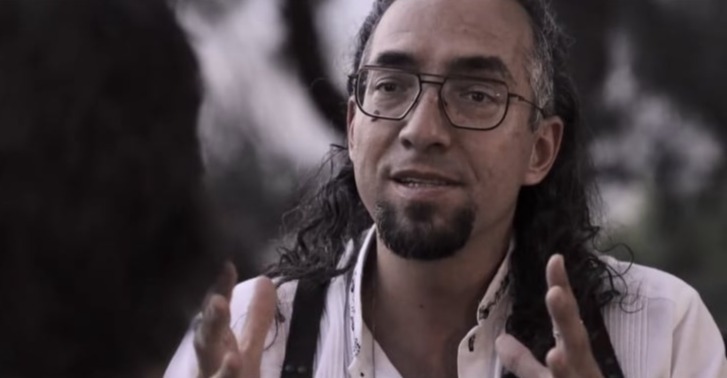
Alongside this, Arturo Ponce de León dives deeply into the role of sacred geometry in architecture — and how it differs fundamentally from ordinary design.

His contribution explores:
• the difference between sacred geometry and conventional architectural proportion
• how specific geometric relationships influence the human organism
• the ways architecture can shape health, wellbeing, emotion, and perception
• how geometry may act as a bridge between matter, energy, and consciousness


Rather than seeing sacred architecture as symbolic ornament, Arturo presents it as a precise and applied science — one that can influence the body, mind, and field of experience. His work in Primordial Code III helps explain why certain ancient spaces continue to affect people so deeply, even thousands of years after they were built.


Delphi as a key to ancient knowledge
The Temple of Apollo at Delphi has long been associated with prophecy, wisdom, and initiation. But beyond mythology, the site may also preserve evidence of a much more advanced understanding of architecture and environment than modern narratives usually acknowledge.

Through Geophilia’s contribution, Primordial Code III explores Delphi as a place where location, geometry, material intelligence, and subtle energetic effects converge — offering a glimpse into how ancient builders may have created spaces designed to amplify awareness and transform human experience.

Watch it here!


Ancient Temples are  a lost technology;  they were constructed, amongst other reasons, as an investment  for people's wellbeing.  

Dr. Lydia de Leon


You accept our Cookie Policy when visiting our site. 

CONTACT

  • BE PART OF THE GEOPHILIA FAMILY AND SUBSCRIBE TO OUR NEWSLETTER
  • Yes, I Want in!